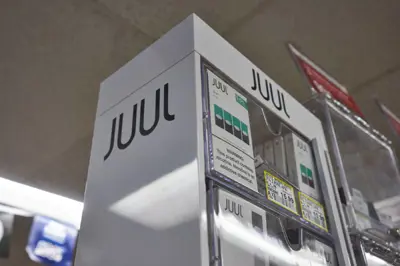
While the vaping world waits for Scott Gottlieb to formally announce the FDA’s plan to “eliminate youth use” of e-cigarettes, the tobacco companies that also sell vapor products are one-by-one announcing their own initiatives. JUUL is also expected to release its plan today.
Gottlieb gave JUUL and the four tobacco companies60 days to present their plans — and that was 60 days ago. Until today, only Altria has gone public. The FDA hasleaked some details of its own plan, but questions remain about its ability to selectively enforce a ban on certain products in only some retail channels.
Today Fontem Ventures, the division of Imperial Brands that owns Blu, announced that it would not remove its flavored products from convenience stores and gas stations, which may make Fontem an outlier among the five companies. Fontem says it considers flavored vapor products essential to adult users, according to a CNBC story.
"We don't think our products are attractive to kids but are for adults,” Fontem CEO Richard Hill told CNBC. “I'm actually sitting here as we speak vaping on blueberry.” Fontem’s refusal to remove flavors might be problematic for Gottlieb. If the FDA has to force the companies to remove flavors from c-stores, it may run into legal challenges. The Tobacco Control Act doesn’t seem to give the FDA authority to selectively enforce its rules.
Fontem’s plan to prevent youth access includes these components, according to CNBC:
- Restricting online sales to customers 21 and over, even in states that don’t have a Tobacco 21 law
- Requiring online partners to use age verification technology
- Reviewing its packaging design and flavor descriptions
- Ending contracts with retailers caught selling to minors
- Creating a hotline to report underage sales
- Monitoring social media
Altria said in October that it would remove all of its flavored products (except tobacco, menthol and mint) from the market — at least temporarily. That move was intended to pressure market-leader JUUL to do the same.
British American Tobacco (owner of Reynolds American, maker of Vuse e-cigarettes) and Japan Tobacco International (owner of Logic) are the other cigarette makers who were warned by Gottlieb to change their marketing and sales practices. Neither company makes products considered desirable by teenagers, but both sell products primarily in c-stores and gas stations, which Commissioner Gottlieb says are the mainy sources of illegal underage sales.
JUUL also announced its plan today.
Blu is probably still best known for its cigalike products, although that may be changing. Fontem’s Myblu, although not nearly as popular as JUUL, is a well-regarded pod vape. For much of this year Fontem sold the Myblu for at an introductory price of $1 in many retail outlets, with no limit on the number purchased.


CBG (cannabigerol) is the mother of all cannabinoids, including CBD and THC. Learn more about CBG flower, its effects, strains, and whether it can get you high.

Learn how old you have to be to buy caffeine pouches, including federal and state age restrictions, retailer policies, and rules for minors.
Learn whether caffeine pouches are safe, including potential side effects, caffeine limits, oral health risks, and who should avoid them.

Because of declining cigarette sales, state governments in the U.S. and countries around the world are looking to vapor products as a new source of tax revenue.