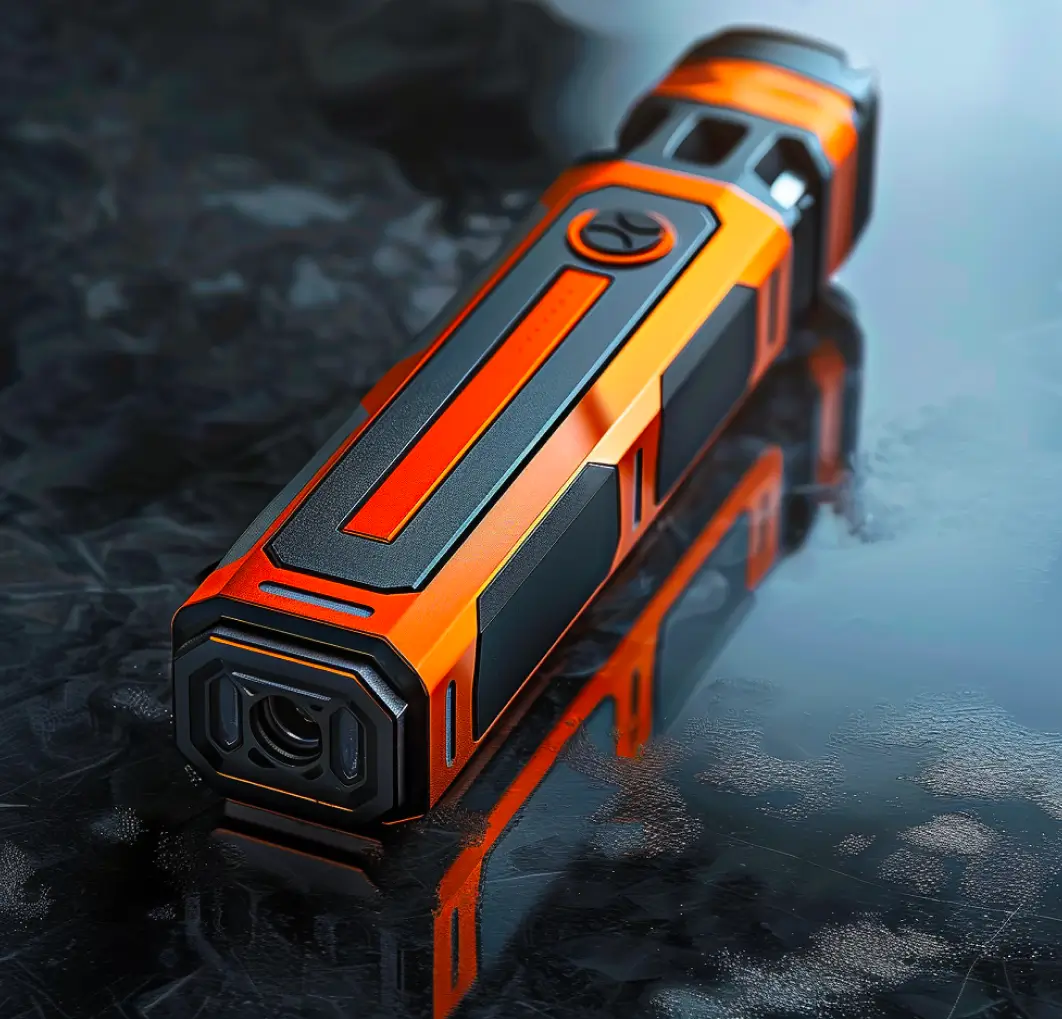
Avida CBD Disposable
Avida offers their signature CBD blends in disposable format! Each vape is bursting with flavor and contains 500 or 2400 mg of Avida Core Broad Spectrum CBD. They are thoroughly tested by a third-party lab for quality and consistency. The flavors range from fruits to tangy candy like mango and blue razz.


CBD vapes offer a simple and easy way to enter the world of vaping cannabidiol. If you’re looking to get started, then you’ve landed in the right place.
In this guide, we’ll cover the best CBD vape pens, prefilled cartridges (510 carts), and vape juice available now, with options to suit different needs and budgets. We’ll also share some tips on choosing and using them.
Best CBD vape pens
CBD vape pens have two key components: a liquid reservoir with an atomizer and a battery. Disposable pens combine these components into a single device you discard when empty. Reusable devices let you replace a prefilled cartridge or pod, or refill the reservoir with a compatible CBD vape liquid.


What is a disposable CBD vape pen?
Disposable CBD pens combine the battery and liquid reservoir into an all-in-one setup. They are pre-loaded with cannabidiol-containing e-juice or extracts. Modern devices typically resemble disposable nicotine vapes or weed vapes.
If you’re looking for a simple alternative to CBD cartridges and pods, disposable CBD vapes are a great option. The learning curve is small, and they don’t require you to invest in a battery or compatible pod system. They’re typically draw-activated, meaning they only produce vapor while you are puffing.
Pros and cons of disposable CBD pens
Disposable CBD vape pens are one of the most practical ways to start vaping cannabidiol, especially for the first time. They are relatively inexpensive and easy to use. Because they are pre-filled, disposable CBD pens don’t require you to buy liquid or any other items. Just vape it, then recycle it.
There are some downsides, though. They aren’t as cost-effective as refillable vape pens if you consider the amount of CBD they contain versus the price. They are also, by and large, limited to a cigarette-style draw, a style of vaping also called mouth-to-lung. This delivery style, combined with the low output, also means you may need to vape more to achieve your desired CBD dosage.
What is a refillable CBD vape pen?
A refillable CBD vape pen lets you reuse both the battery and liquid reservoir; however, you’ll occasionally need to replace the reservoir or atomizer (heating element). Unlike some CBD disposables and prefilled kits, which often use extracts, refillable CBD vape pens typically use CBD vape juice. Some exceptions exist, such as vape pens for CBD oil, which we’ll cover later.
CBD vape juice is usually much thinner than extracts. It’s essentially an e-liquid base with CBD instead of nicotine, designed for use in refillable e-liquid devices. While some kits are specifically marketed for CBD juice, pod vapes are another great option. Though intended for nicotine e-liquid, they’re widely available, discreet, and an efficient way to vape CBD vape juice.
Refillable pen-style devices offer a simple, convenient form factor and are generally smaller and lighter than the average mod-and-tank combo. Some provide a tight mouth-to-lung draw, while others are suitable for direct lung vaping, depending on the device and formulation.
Pros and cons of refillable CBD pens
Refillable CBD vape pens require the purchase of a device and, obviously, some CBD e-liquid to vape. However, after that first investment, they are generally more cost-effective in the long run. Another downside to refillable CBD pens is that they’re less convenient and require more knowledge to use properly.
Beyond price advantages, you get more options for building a custom experience with a refillable CBD vape pen. Most even offer adjustable power and airflow for fine-tuning.
Generally, direct-lung sub ohm devices are ideal for lower CBD strengths since they deliver more vapor per puff. MTL devices are better suited for higher CBD strengths. At the same concentration, an MTL device would require more puffs to deliver a comparable amount of CBD.
Best vape pen for CBD oil
Refillable vape pens for vape-compatible CBD oil and extracts use the same type of hardware as THC oil vapes. They’re essentially reusable CBD pens, but users fill empty 510 carts themselves rather than buy prefilled ones. These setups require cartridges designed to vaporize thick extracts, rather than CBD vape juice. While the hardware is common, CBD extracts for filling cartridges can be difficult to find.

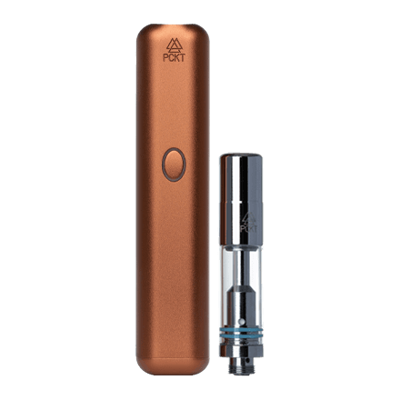
Our personal favorite is the PCKT Two, a premium 510-compatible device with haptic feedback and five heat settings. However, most 510-thread batteries paired with a compatible, refillable (or prefilled) cartridge will do the job.

Best CBD carts (510 cartridges)
A CBD oil vape cartridge, often shortened to “CBD cart,” is the liquid reservoir and atomizer component of a reusable CBD vape pen. Aside from CBD disposables, they’re one of the most convenient methods to get your daily dose of cannabidiol. Carts are slim, cylindrical vape tanks that typically contain CBD concentrates like live resin or distillate.
Most CBD carts come prefilled and attach to a compatible 510-thread battery, usually sold separately. Once the cart is empty, you replace it and continue using the battery. As previously mentioned, refillable carts are also available; however, CBD extracts for use in empty 510 carts are not as widely available as they once were.


How to use a CBD oil cartridge
If using a prefilled CBD cart, the process is simple. Just screw it onto your 510-thread battery or vape pen. Many batteries are draw-activated, so you can just inhale. If yours has a button, it may offer additional features such as power on/off, preheat, and voltage settings. This is the typical process:
- Make sure your battery is charged and powered up. If the device has a button, you may need to click it five times to power on.
- Set your device to the lowest voltage setting if it is adjustable.
- Start by taking small short puffs to gauge the effects and prime the coil.
- Some cartridges may require a bit more voltage to achieve a satisfying puff.
- Turn the battery off when you are done, if necessary.
How long does a CBD cartridge last?
A CBD cart’s lifespan depends on a variety of factors, and your personal usage habits are some of the most important. To figure out how long a CBD cart will last, consider:
- Frequency of use: Frequent CBD vapers will use carts faster than someone who vapes once in a blue moon. That doesn’t necessarily mean you should decrease your vaping frequency; in fact, CBD carts can expire or lose potency if they sit in storage for too long.
- Voltage settings: Higher settings generally consume more oil and produce more vapor, which can shorten the cart’s lifespan. A good range for CBD distillate carts is typically 3.3 to 3.8 volts, but always follow the manufacturer’s recommendations.
- Cart size: The bigger your cart, the longer it will last. One-gram carts are the most common. You can also find half-gram (500 milligrams) carts at many online retailers and dispensaries. An easy way to keep your CBD oil fresh: avoid buying larger carts if you don’t vape regularly.
- CBD potency: You won’t need as many puffs to feel the effects of a more potent cart. Instead of just checking the total amount of oil, look at how much CBD it contains. For example, one-gram carts often contain between 700 and 800 milligrams of CBD.
- Draw time: If you take long draws, you may notice you go through CBD oil faster. Try to keep your draws between one and three seconds. This not only helps you conserve oil, but also reduces your risk of clogs or a burnt coil.
- Product quality: Low-quality carts are more prone to leaks, clogs, and burning, which may decrease the cart’s lifespan.
In general, a half-gram CBD cart lasts between 80 and 160 puffs. If you take five to ten hits a day, your half-gram cart can last 8–32 days. One-gram carts take 160 to 320 draws to finish. At five to ten hits a day, that’s 16–64 days.
You may use carts more slowly or quickly, depending on the factors described above.
Best CBD vape juice (e-liquid)
CBD vape juice is often conflated with CBD oil, tinctures, or concentrated extracts, but it’s a different formulation. Imagine taking a typical vape e-liquid and swapping CBD for the nicotine: that’s CBD vape juice. It typically consists of propylene glycol (PG), vegetable glycerin (VG), flavorings, and CBD.
Unlike oil-based CBD tinctures, CBD vape juice uses a base formulated for vaping. You can use it in most refillable nicotine vapes, including tank systems, pod vapes, and all-in-one devices. Check the liquid manufacturer’s recommendations for hardware and wattage settings.
Never vape CBD tinctures or other products intended for oral use. Only use liquids specifically formulated for vaping.

When comparing CBD vape juice strengths, check both the total CBD content and the bottle size. A product labeled “500 mg CBD vape oil” may refer to e-liquid, but that label alone doesn’t indicate the concentration. For example, 500 mg in a 10 mL bottle is 50 mg/mL, compared with approximately 16.7 mg/mL in a 30 mL bottle. High-strength CBD vape juice contains more CBD per mL, but stronger doesn’t automatically mean better for your device or needs.
How to find the best CBD e-liquid
If you’re struggling to find CBD vape juice, you’re not necessarily looking in the wrong places. While researching this guide, we found limited products that met our criteria. The options simply aren’t as abundant as they used to be.
Limited choice doesn’t mean you should compromise on quality. Buy CBD e-liquid from trusted, reliable sources that are transparent about their ingredients and testing. Look for independent, batch-specific lab reports that verify CBD and THC levels and include contaminant testing. Make sure the reports match the product you’re buying.
Some brands don’t publish these results, and we don’t think the risk is worth it. Buyers should always be cautious, and manufacturers should always be transparent—it’s that simple.
Vaping CBD for beginners
Getting started depends on the type of CBD vape you choose. Disposable CBD pens come prefilled, while prefilled cartridges and pods require a compatible battery or device.
Vaping CBD vape juice is essentially the same process as vaping non-CBD e-liquid. First, make sure you are using a liquid specifically formulated for vaping, not an oil-based tincture. Knowing the difference is crucial because their bottles are sometimes indistinguishable. If you are using a CBD vape additive, follow the manufacturer’s mixing instructions.
You’ll also need a compatible refillable device. Most sub ohm tanks, MTL tanks, and pod vapes can be used with CBD vape juice, but check the liquid manufacturer’s hardware recommendations first.
Lower-strength CBD e-liquids are generally better suited to devices that produce more vapor, while higher-strength liquids are typically used in lower-powered mouth-to-lung devices. The appropriate setup depends on the formulation, manufacturer recommendations, and your preferences.
Here are some tips for getting started:
- Fill the tank or pod: If it’s a new tank, pod, or coil, allow the liquid to saturate the coil and wick for a few minutes.
- Start slow: Take a small puff and give yourself time to assess how you feel before taking more.
- Inhale naturally: There’s no need to deliberately hold the vapor in.
- Pay attention to flavor: Some CBD formulations taste earthy or slightly bitter. A burnt taste, however, is a reason to stop and check the device.
CBD vaping effects and benefits
Some people describe a calming sensation after vaping CBD. Others report an elevated mood, reduced stress, or relief from discomfort. However, effects and experiences vary, so you may not notice the same benefits as someone else.
Reported effects include:
- Elevated mood
- Reduced stress or anxiety
- Reduced discomfort
- Improved sleep
These are reported experiences, not guaranteed outcomes. Research into CBD’s potential benefits is ongoing, and findings from oral CBD or other cannabis products don’t necessarily apply to CBD vapes.
Are there benefits to vaping CBD compared to other delivery methods? Possibly. One reason people choose vaping is its rapid delivery of cannabidiol. Inhalation allows CBD to enter the bloodstream without first passing through the digestive system. However, faster absorption doesn’t establish that vaping is a more effective treatment for anxiety, pain, or other conditions.

CBD may also cause side effects. These include:
- Drowsiness or tiredness
- Diarrhea or digestive discomfort
- Changes in appetite
- Irritability or other mood changes
- Medication interactions
Much of the safety research involves oral CBD, so it doesn’t establish how frequently these effects occur with vaping. If you notice unwanted effects, stop using the product. Symptoms could relate to the dose, individual sensitivity, medication interactions, ingredients, or the delivery method (vaping). Poor product quality or contamination may also contribute. Avoid driving if you feel drowsy, and speak with a healthcare professional if symptoms persist or you take medication.
FAQ
What is CBD vape oil?
“CBD vape oil” can mean a few things, which leads to a lot of confusion.
The term sometimes refers to vape juice that contains CBD instead of nicotine. It’s a misnomer, since these products typically use a PG/VG base rather than oil. The more accurate names are “CBD vape juice” or “CBD e-liquid.” These come as ready-to-vape liquids or concentrated additives designed to be mixed into compatible e-liquids.
“CBD vape oil” is also sometimes confused with CBD oil tinctures or hemp seed oil. These products are not intended for inhalation and should never be put in a vape.
Lastly, the term may refer to thick CBD extracts, such as the distillate found in many CBD carts and disposables. These require hardware designed for concentrated extracts.
Because the terminology is inconsistent, don’t rely on the name alone. Read the product description, check the ingredients, and confirm that the manufacturer states it’s suitable for vaping in your device.
Can you put CBD oil in a vape pen?
Choosing CBD oil for a vape pen depends on what the product contains and which device you’re using. This ties back to the naming conflation mentioned above; “CBD oil” can refer to multiple product types:
- CBD oil tinctures or hemp seed oil? No. Never use these products in a vape pen.
- Concentrated CBD extracts? Only if they’re formulated for vaping, and your device is designed for thick extracts. These typically require oil-compatible cartridges rather than standard e-liquid tanks or pods.
- CBD vape juice? Yes, in a refillable e-liquid device. Check the liquid manufacturer’s hardware recommendations before filling your tank or pod.
Because the market lacks consistent terminology, don’t rely on the product name alone. Reputable manufacturers should clearly explain how their products are intended to be used.
Full spectrum vs isolate vs broad spectrum CBD vapes
Full-spectrum, broad-spectrum, and CBD isolate vapes aren’t inherently better than one another. Each offers different advantages. The choice depends on what you want from your vaping experience.
Full-spectrum CBD products use the “full spectrum” of the hemp plant. That includes CBD alongside other naturally occurring hemp compounds, including minor cannabinoids, terpenes, and some THC. The amount of THC may be small, but it can still result in a positive drug test.
Full-spectrum vapes often appeal to those who enjoy hemp’s characteristic taste and aroma. They’re also an option if you’re interested in the entourage effect: the theory that cannabinoids and terpenes work together to enhance their effects. This shouldn’t be taken as a guarantee that full-spectrum products are more effective.
Broad-spectrum CBD is similar, but is processed to remove THC while retaining other cannabinoids and potentially terpenes. It offers an alternative for those who want a broader cannabinoid profile while minimizing THC exposure. However, the label alone doesn’t guarantee that a product contains no THC, nor does it eliminate the risk of a positive drug test.
CBD isolate is CBD separated from other cannabinoids, terpenes, and plant materials. The raw ingredient can exceed 99% purity, but the finished vape’s CBD concentration depends on its formulation.
Isolate itself has little taste or smell, although manufacturers may reintroduce flavorings or terpenes. It suits those who want CBD without the other cannabinoids found in full-spectrum and broad-spectrum extracts.
Whichever type you choose, check the batch-specific Certificate of Analysis rather than relying on the label alone.
Do CBD vapes contain THC?
Some do; it depends on the formulation. CBD vape juice made with isolate typically contains CBD without other cannabinoids (including THC). Broad-spectrum products are processed to remove THC, while full-spectrum CBD vapes retain some THC alongside other hemp compounds.
CBD vape oil with THC can also refer to a blend formulated to deliver both cannabinoids. CBD/THC blends are very different from CBD products containing only trace THC. Check the amounts of CBD and THC separately; the presence of CBD doesn’t mean the product won’t get you high.
Regardless, never rely on these labels alone. Check the batch-specific Certificate of Analysis (COA) for measured THC levels. “Non-detectable” means the amount was below the test’s detection limit, not necessarily that no THC is present. Even products marketed as THC-free cannot guarantee a negative drug test.
Will CBD vape oil get me high?
Highly unlikely (pun intended!). Unlike THC, CBD itself is non-psychoactive. CBD vape juice made with isolate should not contain intoxicating cannabinoids.
Some CBD vapes, typically full-spectrum cartridges, contain small amounts of THC. These generally aren’t intended to get you high, but the effects depend on the amount of THC consumed and your individual sensitivity. A low THC percentage alone doesn’t guarantee that you won’t experience any intoxicating effects. Still, a “proper high” would require a considerable amount of CBD vaping, assuming the product is labeled correctly.
CBD vapes shouldn’t be confused with THC oil vapes, including those that include both THC and CBD; these products can certainly get you high.
Read more about how CBD makes you feel and whether it can get you high.
How much CBD should I vape?
There isn’t a single CBD vaping dose that works for everyone. The amount you consume depends on the product’s concentration, your device, and how frequently you puff. Individual sensitivity and medication interactions also play a role.
Many CBD vape juices advertise the CBD content of the entire bottle, rather than the amount per mL. As a rough guide, here’s how strengths compare in a 30 mL bottle:
- Low: 50–200 mg (1.7–6.7 mg/mL)
- Medium: 200–500 mg (6.7–16.7 mg/mL)
- High: 500–2000 mg (16.7–66.7 mg/mL)
- Very high: 2000–4000 mg (66.7–133.3 mg/mL)
If you choose to vape CBD, start with a small puff and give yourself time to assess the effects before taking more. Don’t assume a higher strength will produce better results. If you’re seeking help with symptoms or take medication, speak with a healthcare professional.
For more on understanding concentrations and the factors involved, see our guide to finding the right CBD dosage.
What is a 510 CBD cartridge?

When we talk about 510 CBD carts—or any 510 carts—we’re talking about the thread size. Early nicotine vape manufacturers developed the 510 connection and named it for its 10 threads spaced at a 0.5-millimeter pitch.
Because 510-thread CBD carts are universal, they’re the most common type. These products attach to compatible 510-thread batteries or mods, covering most devices on the market. Proprietary products, such as pods, are the main exception.
To connect a 510 CBD cart to a compatible battery, twist them together at the threading. Be careful not to overtighten, as this can damage the device or disrupt the connection. Under-tightening will also cause a poor connection and make it difficult to create vapor, if any at all. Twist until the connection is firm, but no further.
Where can I buy CBD vape pens and cartridges?
You can purchase CBD carts and pens from online retailers, dispensaries, head shops, or vape or smoke shops. Occasionally, you may see them sold at convenience stores.
Dispensaries tend to mark up prices, but you’re less likely to encounter untested or black-market products. If you’re new to CBD, it can be helpful to speak with a budtender (dispensary representative). They can provide valuable insight and guide you toward the best CBD carts and disposables for your needs.
Smoke shops and head shops can be a gamble. Costs are typically lower, but you’ll want to research the store first. Don’t stop by the first head shop you find on the street, especially if the prices seem too good to be true.
Online retailers are a good middle ground. It’s easier to find testing information and avoid black market products. If the brand is reputable, it will publish this prominently on its website. Plus, it’s usually cheaper than buying from a dispensary and easier to shop around for the best deal.
What to check when buying CBD cartridges and disposables?
It can be tempting to purchase the first CBD cart or disposable you see in a smoke shop, but this isn’t a wise strategy. Ask yourself two things when buying a new cart: Is it from a reputable brand with transparent safety testing, and does it fit your needs?
First, confirm the product has been tested. Trusted brands will make this information publicly available, usually displayed openly on their website. If you’re shopping in person, ask the dispensary or shop representative for information. If they can’t accommodate you, take your business elsewhere.
After reviewing the ingredients and batch-specific testing, take a look at:
- THC content: Pure or predominantly CBD vapes exist, but the cannabinoid may be combined with delta 9 or other forms of THC. If you’re not looking to get high, stay away from carts and disposables with delta 9, delta 8, delta 10, or any THC variants. A CBD vape containing more than 0.3% delta 9 THC is considered a marijuana product, not a hemp product.
- Full-spectrum, broad-spectrum, or isolate: If you want flavor and the entourage effect, try full-spectrum or broad-spectrum CBD vapes; these contain a wide range of cannabinoids and terpenes, though full-spectrum products may contain trace amounts of THC. Isolates are ideal if you’re seeking high CBD potency and don’t care about aroma.
- Cost: CBD carts and disposables vary widely in price. More expensive products are often higher quality, but you can find effective products for modest prices.
- Customer reviews: You can learn a lot about a product from what other customers are saying. Don’t check just the brand’s website, either—these reviews might be filtered to emphasize favorable opinions. Instead, research what other vapers are saying about the product online.
Which CBD vapes should I avoid?
Watch out for untraceable, untested CBD products. A missing Certificate of Analysis (COA) is a major red flag. Find the report and check that it matches the product and batch you’re buying. Research the lab to verify its accreditation, and compare the tested CBD content with the amount advertised. A potency result alone doesn’t tell you whether the product was tested for contaminants.
Keep an eye out for these warning signs:
- Questionable branding: Be cautious of products that imitate established brands or use familiar characters and logos without clear authorization.
- Untraceable manufacturers: Avoid products with no identifiable manufacturer or contact information.
- Implausibly low prices: Be extra cautious if the price seems too good to be true.
- Impossible potency claims: A one-gram cartridge can’t contain more than 1000 mg of CBD. Check whether the advertised amount refers to CBD, total cannabinoids, or the entire package.
- Very dark oil: If the oil in a CBD cart looks dark brown or black, play it safe and avoid using it. Color alone doesn’t prove a product is contaminated or expired, but unusually dark oil is a reason to explore other options.
- Missing ingredients: Avoid products that don’t disclose their ingredients or clearly state they’re intended for vaping.
Vaping a questionable CBD cart or disposable isn’t worth the risk. If you can’t verify what’s in a product or who made it, choose another option. Customer reviews can provide additional insight, but they don’t replace independent testing.
Why is my CBD cartridge crystallizing?
Crystallization occurs when CBD comes out of solution and forms solid crystals in your oil. You may notice crystals forming in the cart’s chamber or the oil becoming cloudy.
While crystallization can affect cart performance, it’s a natural process and doesn’t necessarily mean the product is low-quality or expired. It also doesn’t prove purity or safety.
A few factors can make crystallization more likely:
- High CBD concentration: CBD-rich formulations can be more prone to crystallizing, depending on the other ingredients.
- Cold temperatures: Cooling can encourage CBD to crystallize. Store your carts at a stable room temperature.
- The overall formulation: The balance of CBD, other cannabinoids, and terpenes affects how well the oil stays liquid. Some extracts are specifically formulated to resist crystallization.
Crystallization isn’t necessarily a death sentence for your cart, but it can disrupt oil flow and causeclogs. Gentle warming may help temporarily, although crystals can return as the oil cools.
Follow the manufacturer’s instructions for warming a crystallized cartridge. If your battery has a preheat function, use it only as directed rather than repeatedly firing the device. Avoid excessive heat, open flames, or submerging the cartridge in water.
Read our Cyclone Pods Lightning review to see how this nicotine-free, prefilled pod vape performs and whether its replacement pods are worth the price.

The Lost Mary MT35000 Turbo is an 1000 mAh disposable vape that features two power modes, and a blend-in digital smart display. Learn more in our featured review.
The OXVA VPRIME 2 delivers sub ohm performance in a pod-style device. Read our review to learn about its upgrades, size, battery life, flavor, and more.
Check out our OXVA XLIM 4 and XLIM PRO 4 review to learn about the new UNITECH 3.0 pods and the incredibly innovative anti-burn tech (ABT).
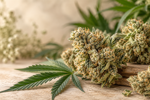
CBG (cannabigerol) is the mother of all cannabinoids, including CBD and THC. Learn more about CBG flower, its effects, strains, and whether it can get you high.

Learn how old you have to be to buy caffeine pouches, including federal and state age restrictions, retailer policies, and rules for minors.
Learn whether caffeine pouches are safe, including potential side effects, caffeine limits, oral health risks, and who should avoid them.

Because of declining cigarette sales, state governments in the U.S. and countries around the world are looking to vapor products as a new source of tax revenue.
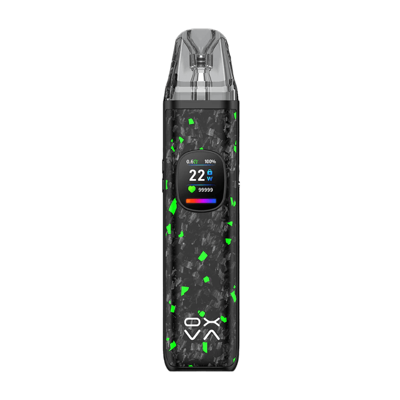

Find Your Perfect Product
Navigate our vape database precisely by customizing your filters. Find products tailored to your needs with options like price, category, and more.
Sort by:






Rely on Our Expertise
At Vaping360, we take pride in our deep expertise and years of experience in the vaping industry. Our dedicated team of professionals is committed to leveraging their extensive knowledge to meet your needs and exceed your expectations.
