One of France’s largest online vape retailers has begun requiring new customers to pass a selfie-based age check, giving the industry a real-world answer to lawmakers who tried to prohibit online sales.
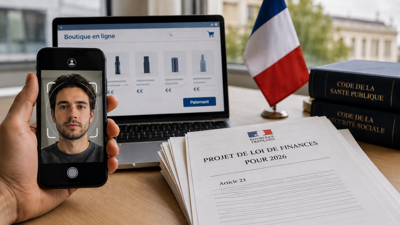
Le Petit Vapoteur has used the system since spring 2026, according to the French vaping trade association Fivape. New buyers first submit a live selfie for an automated age estimate. When the result is uncertain, they must scan an official identity document and take another selfie for comparison.
The retailer receives only an adult-or-minor result, not the customer’s identity document or biometric data. Fivape says the company processes several hundred checks daily without a noticeable business slowdown. The association did not disclose rejection rates or say how many blocked attempts involved minors.
The technology comes from digital identity company Yoti. Its facial age-estimation process includes a “liveness” check intended to stop customers from using photographs, videos, masks, or deepfakes. Yoti says the selfie is deleted after the estimate, and only the age result is shared. The company describes the process as age estimation, not facial recognition, because it does not identify the customer.
French law already prohibits selling vaping products to anyone under 18. The Public Health Code also requires the person supplying the product to demand proof that the customer is an adult. The problem has never been whether age limits exist. It is whether online sellers can apply them without collecting unnecessary personal information or driving adults away.
That question became urgent during the fight over Article 23 of France’s draft 2026 finance bill. The government proposal would have created vape taxes of three or five euro cents per milliliter, depending on nicotine strength, and prohibited distance sales to individual consumers. The proposal did not survive the final budget. The finance law enacted Feb. 19 contains none of Article 23’s vaping provisions, leaving online vape sales legal and the proposed excise unenacted.
France’s data-protection authority, the Commission Nationale de l’Informatique et des Libertés (CNIL), recommends independently assessed third-party age-checking services. It also favors systems that send the seller proof of the buyer's age without disclosing the buyer’s identity. The Le Petit Vapoteur system broadly follows that privacy-preserving structure. Fivape—not the CNIL—has supplied the public performance claims.
Fivape now wants a common performance standard for specialized vape websites rather than a mandate to use one provider. The group says online sales represent nearly 30 percent of the French vape market. Lawmakers can demand meaningful verification. They have much less reason to pretend verification is impossible—and use that claim to justify prohibition.


CBG (cannabigerol) is the mother of all cannabinoids, including CBD and THC. Learn more about CBG flower, its effects, strains, and whether it can get you high.

Learn how old you have to be to buy caffeine pouches, including federal and state age restrictions, retailer policies, and rules for minors.

Learn whether caffeine pouches are safe, including potential side effects, caffeine limits, oral health risks, and who should avoid them.

Because of declining cigarette sales, state governments in the U.S. and countries around the world are looking to vapor products as a new source of tax revenue.