Australia’s daily smoking rate fell to a record 5.6 percent in 2025, even as illicit tobacco use among the country’s remaining smokers more than doubled.
The result puts Australia well below its national target of less than 10 percent daily smoking by 2025. It also leaves the country close to its 2030 goal of 5 percent or less. The targets appear in the government’s National Tobacco Strategy and related 2023 policy announcement.
The 2025 National Drug Strategy Household Survey found a steady decline in daily smoking, from 19.5 percent in 2001 to 8.3 percent in 2022–2023 to 5.6 percent in 2025. About 1.3 million Australians now smoke daily, compared with 3 million in 2001. A record 68.7 percent of people aged 14 and older said they had never smoked.
More than 17,500 people participated in the survey between June and December 2025. The Australian Institute of Health and Welfare survey overview says the initial release focuses on tobacco, vaping, and other nicotine products. More detailed findings are expected in August.
The same survey exposes the cost of Australia’s thriving illegal market. 34 percent of people who currently smoke reported recent illicit tobacco use, up from 16.7 percent in 2022–2023 and 8.8 percent in 2016. That included 22.6 percent who recently bought branded packs without required plain packaging or health warnings. Another 16.4 percent currently used unbranded loose tobacco.
According to the survey, the black-market surge did not prevent overall nicotine use from declining. Past-year use of any nicotine product fell from 17.4 percent to 15.2 percent. Daily use of vapes remained statistically stable at 3.6 percent, while current vaping declined from 7 percent to 6 percent.
A separate experimental analysis by the Australian Bureau of Statistics paints an even darker picture of the illicit supply chain. Its wastewater-based model estimated that illicit sources accounted for 80 percent of all nicotine consumed in 2025. The ABS also found that legal tobacco prices had nearly tripled since December 2016, largely because of annual excise increases, while estimated illicit prices remained mostly stable.
Perhaps most strikingly, total nicotine consumption was estimated to have increased by almost 40 percent since 2017, far outpacing Australia’s 14 percent population growth.
The two studies measure different things. The household survey estimates the proportion of Australians who use nicotine products based on self-reported behavior. The ABS model estimates the total quantity of nicotine consumed using wastewater data alongside tax, price, and other economic data. The ABS cautions that these estimates cannot determine whether consumption increased because more people used nicotine products or because existing users consumed more.
Australia can celebrate a historic decline in smoking without pretending its prohibition-era retail market is functioning. Fewer people are smoking, but many who remain have been handed to illegal sellers operating openly through storefronts.

CBG (cannabigerol) is the mother of all cannabinoids, including CBD and THC. Learn more about CBG flower, its effects, strains, and whether it can get you high.
Learn how old you have to be to buy caffeine pouches, including federal and state age restrictions, retailer policies, and rules for minors.
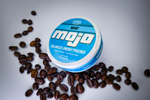
Learn whether caffeine pouches are safe, including potential side effects, caffeine limits, oral health risks, and who should avoid them.
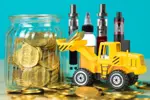
Because of declining cigarette sales, state governments in the U.S. and countries around the world are looking to vapor products as a new source of tax revenue.