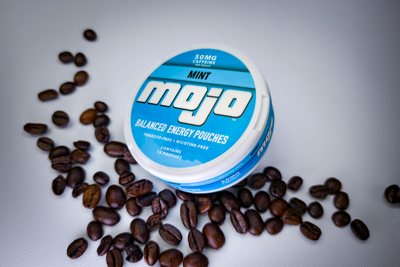
Caffeine pouches are becoming a popular way to get a quick energy fix. But like many emerging product trends, especially those containing stimulants, they’ve seen a fair amount of skepticism. Their resemblance to nicotine pouches may also invite comparisons. However, similar-looking products don’t inherently carry the same ingredients or risks.
Although caffeine has been extensively studied, research on caffeine pouches is still limited. That leaves several unanswered questions, particularly about long-term use and their effects on oral health.
This article explores how caffeine pouches work, their potential side effects, and how they compare with other forms of caffeine. Keep reading to decide whether they’re the right fit for you, or if you’re better off sticking with your morning cup of Joe.
Are caffeine pouches safe?
Caffeine pouches are a relatively new product category, so their long-term effects are not yet well understood. The best-established risks come from caffeine itself. Individual risk depends on factors such as dose, use frequency, age, weight, caffeine sensitivity, underlying health conditions, and medications.
Consuming more caffeine than your body can handle can cause several side effects, such as anxiety, headache, increased heart rate, insomnia, jitters, nausea, and more.
Again, these symptoms are not exclusive to caffeine pouches. They can occur with excessive intake of any caffeine product, including coffee, tea, and energy drinks. The remaining questions are whether and how caffeine pouches differ. Do the unique format and ingredients introduce additional risks?
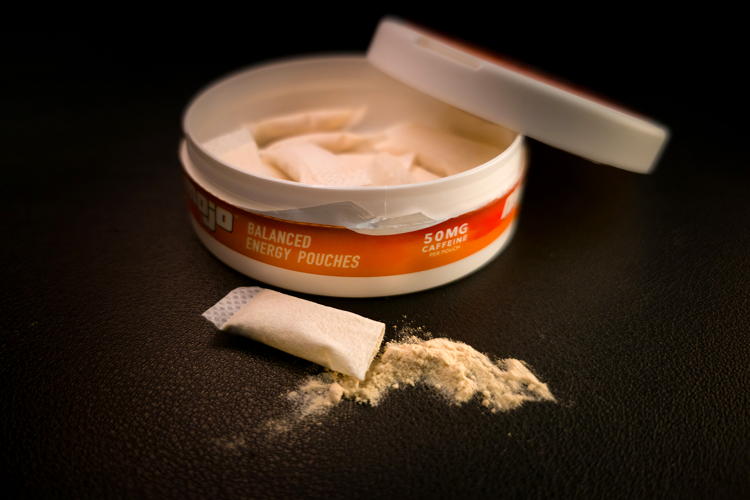
Like nicotine pouches, caffeine pouches typically contain caffeine, cellulose-based fillers, flavorings, sweeteners, and compounds that control moisture and acidity. They may also include supplemental ingredients marketed for energy, focus, or performance, such as L-theanine, taurine, B vitamins, guarana, or mushroom blends.
Caffeine content varies, ranging from about 25 to 200 mg per pouch. A 25 mg pouch and a 200 mg pouch don’t necessarily carry the same risks. Total caffeine intake is also important. Unless you cut back on other sources of caffeine, adding pouches to the mix will increase your daily intake.
The pouch format introduces another consideration. Pouches directly contact sensitive gum tissue for extended periods, which may cause irritation and discomfort. Some of the same concerns about nicotine pouches may also be relevant here, including prolonged exposure to flavorings and pH regulators, and caffeine’s potential vasoconstrictive effects on gum tissue. We’ll explore the oral health evidence in more detail below.
Ultimately, we know much more about caffeinated beverages (and caffeine itself) than we do about caffeine pouches. The risks of excessive caffeine intake are well established; the long-term risks of the pouch format are not. Questions remain about whether regular use could pose additional risks.
How much caffeine is safe?
According to the FDA, 400 mg of caffeine per day is not generally associated with negative effects in most healthy adults. A 2017 systematic review of caffeine safety supported this figure.
A daily limit, however, should not be conflated with an individual dose. The European Food Safety Authority (EFSA) concluded that single doses of up to 200 mg do not raise safety concerns for healthy adults. Or, more specifically, 3 mg per kilogram of body weight. Of course, these figures don’t guarantee that lower doses won’t cause unwanted effects.
Let’s put those numbers in context. Below are the typical caffeine amounts per 12-ounce serving. Note that caffeine content and serving sizes can vary widely, so please check the nutrition labels if you are monitoring your intake.
- Coffee: 113 to 247 mg
- Caffeinated soft drink: 23 to 83 mg
- Green tea: 37 mg
- Black tea: 71 mg
- Energy drink: 41 to 246 mg
Caffeine pouches generally fall within the same range as caffeinated beverages, from 25 to 200 mg per pouch. That makes checking the dose important: a single 200 mg pouch contains as much caffeine as two 100 mg cups of coffee. It also reaches the single-dose threshold that EFSA considers unlikely to pose a safety concern for healthy adults.
Please remember that the FDA 400 mg figure applies to your entire caffeine consumption. If you’re adding pouches to your routine, you must also account for other caffeine sources (coffee, tea, energy drinks, etc.). It’s a balancing act.
Note that no specific amount of caffeine is “safe” for everyone. Individual response depends on factors such as body weight, age, caffeine tolerance, medications, and underlying health conditions.
Do caffeine pouches hit faster than coffee or energy drinks?
Caffeine is delivered differently in pouches vs. beverages, which could affect how quickly it is absorbed.
When drinking coffee, energy drinks, or tea, caffeine is rapidly absorbed through the gastrointestinal tract, primarily via blood vessels in the small intestine.
In contrast, caffeine in pouches can be absorbed through the oral mucosa (the lining of the mouth). As with nicotine pouches, a caffeine pouch is parked against the gum, where saliva releases the key ingredient: caffeine. The caffeine then passes through the oral mucosa and into the bloodstream. This process, known as buccal absorption, uses the same route as nicotine absorption from nicotine pouches. Caffeine released into the saliva may also be swallowed and absorbed through the gastrointestinal tract.
Do caffeine pouches actually hit faster? One might assume buccal absorption offers a significant advantage, but the available research hasn’t established that. At the time of writing, there are no human studies directly comparing caffeine pouches with coffee or energy drinks. We can, however, look for clues in research on other oral caffeine products.
- A 2002 study compared caffeine delivery from chewing gum vs. capsules. Total absorption was similar between the two methods; however, caffeine was absorbed significantly faster from the gum. The researchers suggested that buccal absorption may explain the difference.
- A 2017 study compared caffeine delivered through caffeinated chewing gum and instant coffee (50 mg servings). It found no statistically significant difference in the rate of caffeine absorption or the time required to reach peak blood concentrations.
- A 2025 study gave participants 60 mg of caffeine through a sublingual spray, coffee, or energy drink. Researchers concluded that the sublingual spray did not increase blood caffeine levels faster than drinking caffeinated beverages.
Results aside, these studies miss an important distinction. Pharmacokinetic research measures caffeine in the blood, rather than when a user first notices its effects. While not demonstrated, caffeine pouches could conceivably feel faster even without faster absorption.
Are caffeine pouches bad for your gums?
As previously mentioned, research on the oral health effects of caffeine pouches is quite limited. We still can’t conclusively say whether they cause lasting changes to gum tissue. Because of this knowledge gap, we’ll look to analogous evidence from another oral product: nicotine pouches. While caffeine pouches do not contain nicotine, the two product formats share many similarities.
A small 2024 study of five nicotine pouch users found notable oral mucosal changes, concentrated where the pouch was placed. These changes included white lesions, inflammation, thickened tissue, edema (tissue swelling), and dilated capillaries. The researchers did not determine which pouch components caused these effects.
Other research suggests nicotine may not be the only factor. A study of nicotine-pouch extracts found that certain flavorings and other ingredients may contribute to cytotoxic effects. Note, however, that this was an in vitro study, rather than direct evidence of gum tissue damage from caffeine pouches.
Another possible comparison involves blood flow. Nicotine causes vasoconstriction, which could limit oxygen and nutrient delivery to the gums. Caffeine can also affect vascular tone and blood flow, but its effects vary by tissue, so it’s a poor comparison. Whether caffeine pouches meaningfully reduce gingival blood flow remains unknown.
Local irritation and mucosal changes are plausible concerns with caffeine pouches, but those effects aren’t synonymous with gum disease. There’s currently no clear evidence that they lead to gum recession or other lasting periodontal damage.
What are the side effects of caffeine pouches?
Caffeine pouches may produce side effects, but most of them aren’t unique to the pouch format; rather, they result from caffeine itself. Experiences vary depending on dose, caffeine from other sources, sensitivity, medications, and health conditions.
Caffeine-related side effects
- Anxiety
- Headache
- High blood pressure
- Increased heart rate or heart palpitations
- Insomnia, sleep disruptions, or restlessness
- Jitters or shakes
- Upset stomach or nausea
Dose and individual caffeine sensitivity are crucial when trying to avoid these effects. Learn your unique limits and don’t push them. Consuming amounts well below the FDA 400 mg daily benchmark can still have inconvenient consequences. The EFSA notes that even a 100 mg serving of caffeine near bedtime may disrupt sleep. You may need to cut back on other caffeine sources when adding pouches to your routine, especially at first.
While common caffeine side effects are generally temporary, excessive intake can have more serious consequences. Severe symptoms of a caffeine overdose include difficulty breathing, chest pain, extreme confusion, hallucinations, excessive heart racing, or seizures. These symptoms require immediate medical attention. In the U.S., you can also contact Poison Control at 1-800-222-1222.
Caffeine is also habit-forming, which is worth considering if you’re not a regular user. Caffeine withdrawal can produce its own set of side effects, including headache, fatigue, irritability, and difficulty concentrating.
Potential pouch-related side effects
- Gum irritation
- Dry mouth
- Upset stomach (from swallowing saliva mixed with pouch additives)
Because research on caffeine pouches is limited, unique pouch-related side effects remain uncertain. Similar oral products, like nicotine pouches, are known to have localized effects. However, these effects may not carry over to nicotine-free products. For now, the known effects of caffeine itself offer the most insight into the potential side effects of caffeine pouches.
Can you use caffeine pouches with coffee or energy drinks?
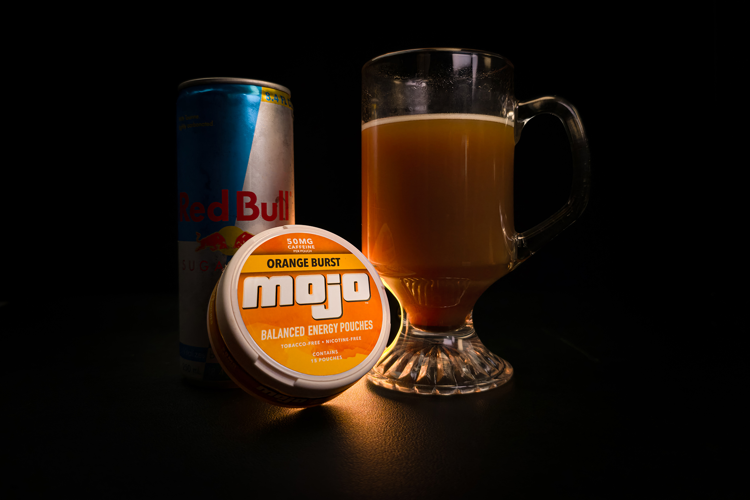
Yes, but caution is recommended. Stacking caffeine pouches with coffee, energy drinks, or other caffeine sources may exceed what your body can handle.
Most people don’t track their daily caffeine intake in milligrams. Caffeine pouches, energy drinks, and pre-workout supplements are clearly labeled, which makes this process easier. The caffeine content of beverages purchased at coffee shops and home brews can be harder to determine. Estimates can often be found online, but in some cases, you may have to make an educated guess.
Adding a new caffeine source to your routine may require some adjustment to balance your total daily intake. For example, let’s say you’re currently consuming the following:
- Morning coffee: 120 mg
- Pre-workout supplements: 200 mg
- Afternoon tea: 70 mg
The combined total (390 mg) is already close to the 400 mg daily intake that the FDA and EFSA say generally doesn’t raise safety concerns for most healthy adults. Adding a 50 mg caffeine pouch would raise the total to 440 mg, increasing the likelihood of unwanted effects.
Still, using caffeine pouches doesn’t necessarily mean giving up all your favorite caffeine drinks. But you may need to substitute instead of stacking. In the example above, replacing your 70 mg tea with a 50 mg pouch would be more practical than stacking the pouch on top of everything. No matter how you balance the scales, stay mindful of your body’s response and adjust accordingly.
Who should avoid caffeine pouches?
Caffeine pouches are not for everyone. Decades of caffeine research strongly indicate that some groups should avoid or limit any caffeine product.
Pregnant people
Pregnant people should closely monitor their total caffeine intake. The American College of Obstetricians and Gynecologists (ACOG) recommends consuming less than 200 mg of caffeine per day during pregnancy. Some pouches contain 100-200 mg of caffeine, so if you’re also consuming caffeine from other sources, you might quickly surpass that threshold. If you’re pregnant, discuss caffeine use with your doctor.
People with underlying medical conditions or medications
Caffeine may worsen symptoms of certain medical conditions, such as:
- Migraines or chronic headaches
- High blood pressure
- Arrhythmias
- Heart disease
- Stomach ulcers or GERD
- Anxiety disorders
Depending on the severity of these conditions, you may need to limit caffeine or eliminate it from your diet altogether. Caffeine also interacts with several types of medications, both prescription and over-the-counter. In either case, consult with your health care provider for advice and a risk assessment.
People with sleep disorders or high caffeine sensitivity
Caffeine blocks adenosine receptors in the brain, delaying signals that promote sleepiness and healthy sleep patterns. This interference may exacerbate insomnia or other sleep disorders. People with these conditions often need to limit their caffeine intake, particularly later in the day. Caffeine can remain in the body for many hours, so even early afternoon use may interfere with sleep.
Those highly sensitive to caffeine should also proceed carefully. Some pouches contain substantial doses, so overestimating your tolerance could produce more pronounced side effects.
Children and teenagers
Most children and adolescents consume low levels of caffeine from sodas, chocolate, and bakery items. While many feel this is acceptable, health authorities generally agree that youth caffeine intake should be either limited or avoided:
The most cited reasons for limiting youth access are sleep problems, anxiety, restlessness, nausea, and increased or irregular heart rate. Body weight is also important. A moderate caffeine dose for an adult may be a much larger dose (per kilogram) for a child. Caffeine pouches are particularly concerning because they’re easy to consume, and some come in strengths as high as 200 mg.
Caffeine pouch age restrictions can vary by retailer and potentially by state, but there is currently no federal minimum purchase age. That doesn’t mean they’re a good choice for children and adolescents, though. Given the potential dose and the more conservative guidance for young people, they are best left to responsible adults.
People with existing oral health problems
Caffeine pouches may not be a wise choice for people with oral health problems. While no substantive evidence is currently available, their prolonged contact with the gums may cause irritation or inflammation. People with existing gum disease, oral lesions, or other oral health problems are encouraged to discuss pouch use with their dentist.
Are caffeine pouches bad for you?
Caffeine pouches aren’t inherently bad for you, but they aren’t risk-free either. Most of the known risks are tied to something many of us consume daily: caffeine. Dose, total daily intake, sensitivity, medications, and underlying conditions probably matter more than the delivery system.
Still, the unique pouch format adds some uncertainty. Caffeinated foods and drinks are backed by decades of research; caffeine pouches aren’t. More long-term research is needed, particularly on the relationship between frequent pouch use and oral health. Nicotine pouch studies may raise some concerns, but it’s an imperfect comparison. The evidence cannot establish that caffeine pouches cause the same problems.
So, are caffeine pouches bad for you? Realistically, for most healthy adults, occasional use of caffeine pouches is unlikely to pose serious health concerns. This, of course, assumes responsible use, with established guidelines and individual risk factors in mind. Problems become more likely with excessive intake, stacking pouches with other caffeine sources, or use by people with high sensitivity.


Eight EU governments want a ban on new nicotine products, broad flavor restrictions, and tighter rules for vapes and nicotine pouches.

UK expands age-18 rules to nicotine-free vapes and nicotine pouches on Oct. 29, banning vending machines, promotional giveaways, and major discounts.

UK smoking falls to a record-low 9.8% in 2025, while 5.4 million adults vape in Great Britain, according to new government statistics.

PMI says heated tobacco exceeds 50 percent of Japan’s nicotine market as IQOS, Ploom, and glo compete amid changes to the country’s tobacco taxes.

Check out our OXVA XLIM 4 and XLIM PRO 4 review to learn about the new UNITECH 3.0 pods and the incredibly innovative anti-burn tech (ABT).
The DOJO BLAST X combines a 10 mL refill system, a dual-mesh coil, and a 1000 mAh battery. Is it needlessly confusing? Read our review to find out.
The Lost Mary BM6000 is a pre-filled pod vape that pairs a 2 mL pod with a 10 mL refill container and a QUAQ mesh coil. Read our review to learn more.
The DOJO PUREX 60K is a disposable vape with a 1000 mAh battery, 16 mL INSTA-JUICED tank, and two power modes. Read our review to learn more.