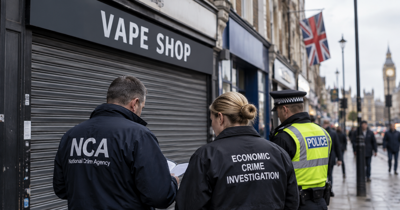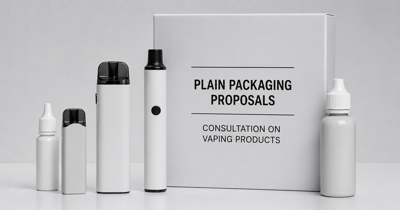
More than 90,000 responses to a 2023 British government consultation on tobacco and vaping restrictions were submitted by bots, according to researchers who examined the government’s records.
The automated submissions accounted for 76 percent of all responses and overwhelmingly opposed proposed restrictions on disposable vapes. The government detected and excluded them, but the episode raises questions about how easily public consultations can be manipulated.
The Department of Health and Social Care's published consultation report, released in February 2024, disclosed that officials flagged 90,835 of 118,756 submissions as fraudulent. They identified responses incompatible with the normal survey process, including repeated entries sent rapidly from a handful of internet protocol (IP) addresses.
A new analysis by University of Edinburgh researcher Nason Maani and University of Bath professor Anna Gilmore, reported Oct. 27 and published in Tobacco Control, examines the attempted interference. According to a BMJ Group research release, the researchers found that the fraudulent responses overwhelmingly targeted a multiple-choice question about restricting disposable vape sales, with almost all opposing the proposed restrictions.
If undetected, the manipulated totals could have presented opposition to the ban as the dominant public position. Once the fraudulent entries were discarded, the government's analysis instead found substantial support for restricting disposable sales among valid consultation respondents. Neither result should be mistaken for a representative poll of the British public; a voluntary consultation measures the submissions received, not a randomly selected electorate.
The researchers described the case as a possible first documented example of large-scale automated interference in a formal public health consultation. But they could not establish who organized the submissions, what the organizers intended, or whether commercial interests financed the effort. They also could not independently test the government's undisclosed bot-detection process. The available evidence points to large-scale automated submissions, but does not establish that generative AI wrote the responses.
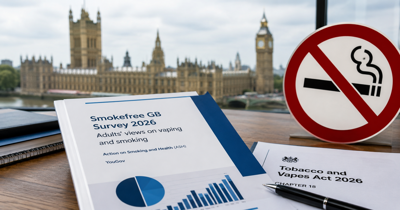
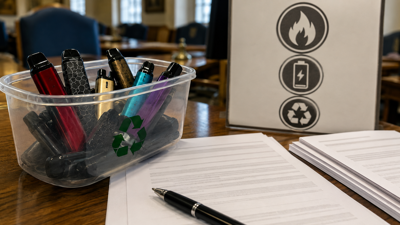
The attempted manipulation did not stop the policy. The UK ban on selling and supplying single-use vapes took effect June 1, 2025, covering nicotine-containing and nicotine-free disposables. Refillable, rechargeable vaping products remain legal to sell under the ban's rules. The separate Tobacco and Vapes Act 2026 received Royal Assent in April, establishing a wider framework for tobacco and vaping restrictions.
The discovery is also a warning against attributing the campaign to vape manufacturers or tobacco companies without evidence. Public-health organizations have raised concerns about industry interference, but the researchers could not identify the people behind these submissions. Protecting consultations from bot floods should not become an excuse to dismiss genuine responses from adult vapers, retailers, or anyone else affected by proposed restrictions.


CBG (cannabigerol) is the mother of all cannabinoids, including CBD and THC. Learn more about CBG flower, its effects, strains, and whether it can get you high.

Learn how old you have to be to buy caffeine pouches, including federal and state age restrictions, retailer policies, and rules for minors.
Learn whether caffeine pouches are safe, including potential side effects, caffeine limits, oral health risks, and who should avoid them.

Because of declining cigarette sales, state governments in the U.S. and countries around the world are looking to vapor products as a new source of tax revenue.