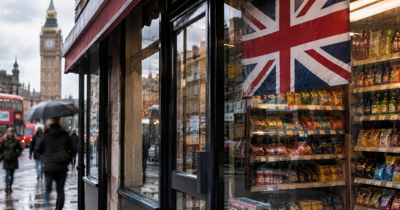
Sales of tobacco and vaping products in British convenience stores fell 10.6 percent in the first half of 2026, according to new figures from retail research organization IGD.
The decline was large enough to pull down the entire convenience-store sector, even as stores sold more products in other categories. It also threatens tobacco and vaping's long-standing position as the channel's biggest category by sales value.
Overall convenience sales fell 1.2 percent during the six-month period. Strip out tobacco and vaping, and sales actually grew 0.7 percent, according to findings from IGD's UK Convenience Market 2026–2031 report, published Sept. 30 and discussed in November trade coverage. The publicly reported figures don't separate cigarettes and other tobacco from vaping products, so the 10.6 percent drop cannot be attributed to vaping alone.
Tobacco and vaping still represented 15.4 percent of convenience-store sales in IGD's 2026 category figures. Alcohol was close behind at 15.1 percent. If the trend continues, IGD says alcohol could claim the top spot as soon as 2027. That's a forecast, not a result already recorded.
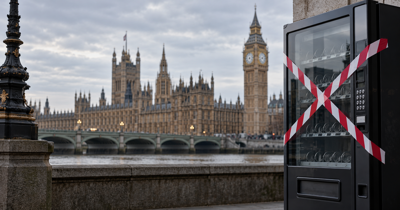
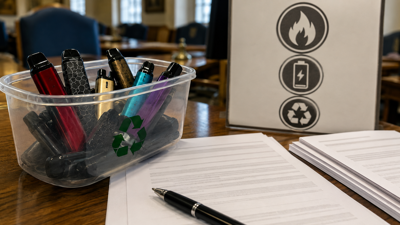
The numbers come more than a year after the UK outlawed sales of single-use vapes. The ban took effect June 1, 2025, covering products with and without nicotine. Sellers can still offer reusable devices that meet the government's requirements, including rechargeable batteries and refillable tanks or replaceable pods.
Separate research from convenience-market data company Talysis suggests that the ban and the switch to reusable products have changed how shoppers spend. In January, Talysis reported that vape sales value in its tracked independent and symbol-group stores fell 12.7 percent over the 52 weeks ending Jan. 4, 2026. Unit sales fell 20.8 percent. Those figures come from a different set of stores and a different time period than the IGD study.
The Talysis findings don't necessarily mean adults are vaping less. Customers who once bought single-use devices repeatedly can now buy multipacks of replacement pods or larger-capacity kits, reducing the number of store visits. Talysis also reported that retailers faced more complicated stocking decisions as thousands of new vape products entered the market.
IGD expects the UK convenience market to grow from £48.6 billion in 2026 to £54.9 billion in 2031, despite the current slump. It forecasts annual growth of 2.5 percent across the sector, or 3.4 percent when tobacco and vaping are excluded. Food-to-go, soft drinks, and chilled foods are expected to drive more of that growth.
The figures reported by 2Firsts on Nov. 11 illustrate a consequence of the disposable ban that sales figures alone can't capture: fewer vape transactions at corner shops don't necessarily mean fewer people are vaping. It's unknown whether a retail restriction has changed nicotine use or merely changed where, how, and how often customers buy products.


CBG (cannabigerol) is the mother of all cannabinoids, including CBD and THC. Learn more about CBG flower, its effects, strains, and whether it can get you high.

Learn how old you have to be to buy caffeine pouches, including federal and state age restrictions, retailer policies, and rules for minors.
Learn whether caffeine pouches are safe, including potential side effects, caffeine limits, oral health risks, and who should avoid them.

Because of declining cigarette sales, state governments in the U.S. and countries around the world are looking to vapor products as a new source of tax revenue.