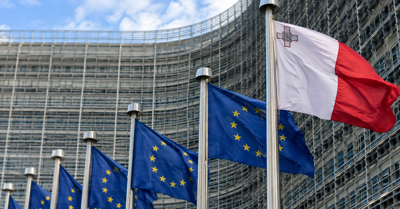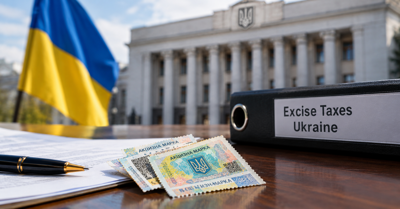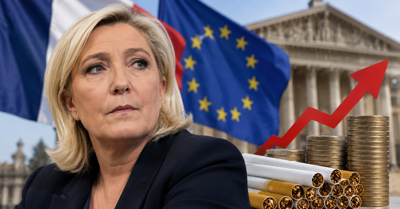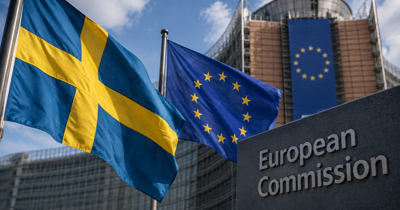
Malta stopped European Union finance ministers from agreeing to a sweeping tobacco tax overhaul on Nov. 9, despite support from the bloc's other 26 member countries. The stalled measure would impose EU-wide minimum excise taxes on vaping products and nicotine pouches for the first time, alongside higher minimum taxes on cigarettes.
The EU Council confirmed that ministers failed to reach agreement during their Brussels meeting. Tax legislation of this kind requires unanimous support, giving a single member country the power to prevent a deal. The proposed taxes have not been adopted, and the existing EU framework remains in place.
The reform began with a European Commission proposal published July 16, 2025. It would extend the EU's harmonized excise system beyond conventional tobacco to e-cigarette liquids, heated tobacco products, and nicotine pouches. The Commission also wants stronger controls on raw tobacco, including tracking its movement through an existing system for excise goods, to address illicit manufacturing and trade.
The compromise being negotiated would raise the minimum cigarette excise tax from €90 to €140 per 1,000 cigarettes in July 2028, followed by €170 in 2030 and €200 in 2032, according to Tobacco Reporter. These are proposed minimum rates, not new taxes already in force. The deal would also bring nicotine pouches within the directive while postponing agreement on their specific minimum tax rates. Under the compromise, the European Commission would propose revised rates within one year of the directive entering into force.
Malta objected to the proposed minimum duties and mechanisms for adjusting them, arguing that the measures did not sufficiently reflect differences in national price levels. Estonia also raised concerns about inflation adjustments but reportedly accepted a compromise that would freeze minimum rates until the directive's next revision. Malta remained the lone holdout.
The dispute is particularly relevant for vapers because the Commission explicitly wants taxation to make newer nicotine products less attractive as substitutes for cigarettes. In its July 2025 announcement, the Commission described that outcome as one benefit of harmonized minimum duties. The policy would therefore affect not only government revenue but also the price difference between smoking and alternative nicotine products. The final impact would depend on the rates eventually approved and how individual countries apply them.
Irish Finance Minister Simon Harris, who chaired the negotiations under Ireland's Council presidency, said the presidency would continue seeking agreement with the outstanding member state. The Irish presidency's official meeting summary likewise confirmed that talks would continue. Ministers are expected to return to the issue in December. Until they reach a unanimous agreement, there is no EU-wide tobacco tax overhaul to implement.


CBG (cannabigerol) is the mother of all cannabinoids, including CBD and THC. Learn more about CBG flower, its effects, strains, and whether it can get you high.

Learn how old you have to be to buy caffeine pouches, including federal and state age restrictions, retailer policies, and rules for minors.
Learn whether caffeine pouches are safe, including potential side effects, caffeine limits, oral health risks, and who should avoid them.

Because of declining cigarette sales, state governments in the U.S. and countries around the world are looking to vapor products as a new source of tax revenue.