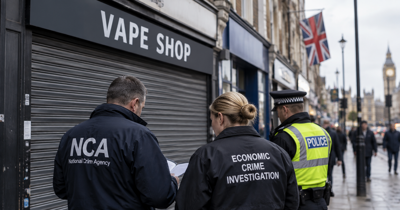
The UK government has opened a 12-week consultation that would force vapes into plain white packaging, limit device colors, restrict flavor names, and move products out of sight in shops.
The proposals, announced July 10 by the Department of Health and Social Care, are aimed at making nicotine products less attractive to children. They also show how quickly Britain’s once-harm-reduction-friendly approach to vaping is being folded into the same visual and retail rules used for cigarettes.
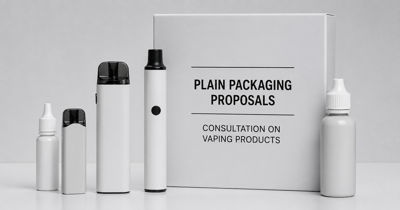
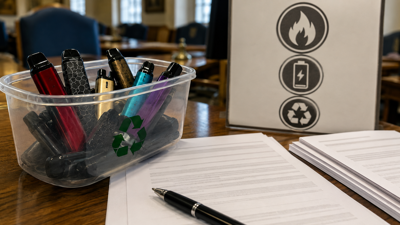
Under the plan, vape packaging would have to be plain white, with limits on text color, images, branding, and product information. Devices would be limited to white, black, or grey. Cosmetic lights would be banned, and screens could show only safety information, such as battery level.
Flavor names would be reduced to simple descriptions like “Apple.” Concept names, sensory names, and names linked to sweets, desserts, confectionery, or alcohol would be prohibited. Vape displays would be restricted in the same way as tobacco displays, meaning legal products would be hidden from adult smokers along with cigarettes.
Ministers are relying in part on youth-vaping figures from Action on Smoking and Health (ASH). The group’s 2026 youth survey found that 19 percent of 11- to 17-year-olds had tried vaping, while 6 percent currently vaped. Current vaping has been mostly flat since 2022, but the government continues to treat experimentation as a central justification for new restrictions.
Secretary of State for Health and Social Care James Murray said vapes are “less harmful than cigarettes” and can help adult smokers quit, but “should never be designed or marketed in ways that tempt children.”
That is the balance ministers say they want. It is also the balance regulators are making harder to see.
The National Health Service tells smokers that nicotine vaping is less harmful than smoking and is one of the most effective quitting tools. ASH’s adult vaping survey now finds 52 percent of adults who smoke believe vaping is as harmful as, or more harmful than, smoking. Hiding vapes like tobacco and dressing them in medicalized blank packaging may protect children from marketing, but it may also suggest to smokers that the two products belong in the same risk category.
The consultation follows the Tobacco and Vapes Act 2026, which received Royal Assent on April 29. The law gives ministers broad powers over tobacco, vaping, nicotine products, advertising, product requirements, and retail sales.
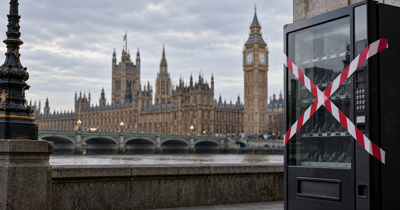
The packaging plan is only one piece of the UK’s new nicotine-control calendar. A single-use vape ban began on June 1, 2025. The government says Vaping Products Duty begins Oct. 1, 2026, with duty stamps required on retail packaging. Bans on vape vending machines and free distribution are scheduled for Oct. 29, 2026, and a comprehensive advertising and sponsorship ban is intended to begin June 1, 2027.
There is evidence that standardizing vape packaging can reduce youth appeal. A King’s College London summary of a 2025 Lancet Regional Health Europe study says 53 percent of young people thought peers would be interested in branded vape packs, compared with 38 percent for standardized white packs. Adult interest, the researchers said, remained similar.
The question for the consultation is whether ministers can reduce youth appeal without making a low-risk substitute look like the product that kills smokers. The government says no law changes happen immediately. Regulations will be written after consultation responses are analyzed.


CBG (cannabigerol) is the mother of all cannabinoids, including CBD and THC. Learn more about CBG flower, its effects, strains, and whether it can get you high.

Learn how old you have to be to buy caffeine pouches, including federal and state age restrictions, retailer policies, and rules for minors.
Learn whether caffeine pouches are safe, including potential side effects, caffeine limits, oral health risks, and who should avoid them.

Because of declining cigarette sales, state governments in the U.S. and countries around the world are looking to vapor products as a new source of tax revenue.