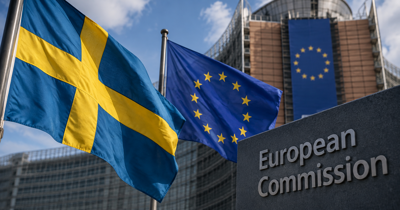
Eight European Union countries have asked the European Commission to block new nicotine products from entering the market and impose sweeping restrictions on vapes, nicotine pouches, and other products already sold in the bloc.
The proposed “market freeze” could prevent future smoke-free alternatives from reaching European consumers, even as cigarettes remain legal. It is a demand from eight governments, not an EU rule or an enacted ban.
The Netherlands led the effort in an Oct. 6 letter to EU Health Commissioner Olivér Várhelyi. Belgium, Finland, France, Hungary, Latvia, Slovenia, and Spain also backed the letter, signed by Dutch Health Minister Sophie Hermans on their behalf.
The ministers want to prevent new categories of nicotine products, products containing nicotine-like substances, and associated delivery devices from entering the EU market. The proposed freeze would also cover nicotine-free products that resemble nicotine products. They suggest barring consumer sales of nicotine products that fall outside the existing Tobacco Products Directive (TPD), although the letter does not fully explain how that would affect products already on sale.
The demands extend well beyond a freeze on future products. The governments want broad flavor bans, stricter nicotine limits, standardized devices, and plain packaging across product categories. They also call for advertising bans covering influencers and social media, stronger platform obligations to block promotional content, and an end to cross-border distance sales within the EU.
Nicotine pouches receive special attention. The ministers argue that pouches resemble oral tobacco, or snus, which is banned for sale in the EU except in Sweden. They want member states to be able to ban pouches outright. The letter also seeks national powers to prohibit products such as disposable vapes on environmental grounds.
Hermans outlined the initiative in a separate Oct. 6 report to the Dutch parliament, arguing that EU-wide rules are needed because products restricted in the Netherlands remain available in neighboring countries.
The proposal has drawn objections from consumer and harm-reduction advocates. In an Oct. 7 statement, World Vapers’ Alliance director Michael Landl warned that banning future alternatives while leaving cigarettes on sale could discourage smokers from switching. The Association of Swedish Snus Manufacturers has also criticized the letter for making little distinction between combustible tobacco and noncombustible nicotine products.
The push comes as the Commission prepares to rewrite the TPD and Tobacco Advertising Directive. The Commission opened a public consultation in May, and its published legislative timetable points to a proposal in December 2026. The eight-country letter does not establish what the Commission will propose, much less what EU lawmakers will ultimately approve.
The Netherlands led a similar appeal in March 2025, then backed by 12 countries. The new coalition is smaller, but its demand is more explicit: the goal is not merely to regulate new nicotine products, but to stop them from reaching the market at all.


CBG (cannabigerol) is the mother of all cannabinoids, including CBD and THC. Learn more about CBG flower, its effects, strains, and whether it can get you high.

Learn how old you have to be to buy caffeine pouches, including federal and state age restrictions, retailer policies, and rules for minors.

Learn whether caffeine pouches are safe, including potential side effects, caffeine limits, oral health risks, and who should avoid them.

Because of declining cigarette sales, state governments in the U.S. and countries around the world are looking to vapor products as a new source of tax revenue.