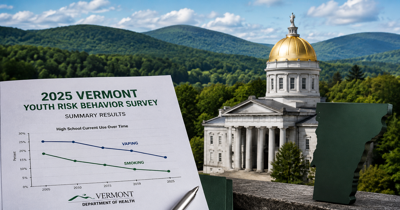
Current vaping among U.S. middle and high school students fell from 20 percent in 2019 to 5.2 percent in 2025, a 74 percent drop that makes the “youth vaping epidemic” label look increasingly frozen in time.
The FDA’s 2025 National Youth Tobacco Survey results estimate that 1.44 million students used a vape on at least one day in the previous month. Cigarette smoking stood at 1.4 percent, while 7.2 percent reported current use of any product the agency classifies as tobacco.
For comparison, the 2019 federal survey estimated that 20 percent of students (5.38 million) currently vaped. That survey was the first administered electronically, and the Centers for Disease Control and Prevention cautioned that the change could affect comparisons with earlier years. It does not explain away the enormous decline that followed.
The peer-reviewed 2025 survey analysis included 23,630 students and defined “current use” as vaping on one or more of the previous 30 days. That measure puts a student who tried a vape once in the same headline number as one who vaped daily.
The survey does identify the smaller group with sustained use. Among current users, 41.2 percent vaped on at least 20 days, and 27.5 percent vaped daily. About two-thirds used disposable devices. Geek Bar was the most commonly reported brand, followed by Elf Bar, Lost Mary, RAZ, and Vuse.
Behavioral scientist Arielle Selya argues that accounts describing an ongoing epidemic often omit both the decline and the limitations of past-month prevalence. “‘Youth vaping epidemic’ claims are misleading,” she wrote in an analysis reported by Clearing the Air.
A longitudinal study by Selya and Sooyong Kim adds context that annual cross-sectional surveys cannot provide. The researchers followed young people who had not vaped in 2018. Of those who tried vaping by 2019, 52 percent had discontinued by the 2021 follow-up, and roughly 60 percent reduced their level of use. The authors said prevention should prioritize the 17 percent who escalated and the five percent who persisted at high intensity.
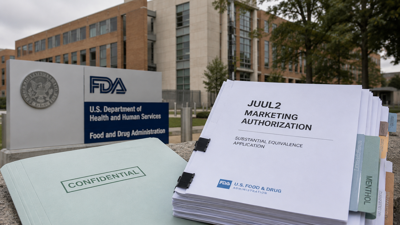
Both researchers work for Pinney Associates. Clearing the Air notes that the company consults for JUUL Labs, and Selya advises the Global Forum on Nicotine. Those ties deserve disclosure, but they do not alter the federal trend.
The FDA still calls for prevention, monitoring, public education, and enforcement against youth access. The remaining frequent users deserve focused attention. But policy built around a permanent 2019 emergency ignores what the government’s own numbers now show.


CBG (cannabigerol) is the mother of all cannabinoids, including CBD and THC. Learn more about CBG flower, its effects, strains, and whether it can get you high.

Learn how old you have to be to buy caffeine pouches, including federal and state age restrictions, retailer policies, and rules for minors.

Learn whether caffeine pouches are safe, including potential side effects, caffeine limits, oral health risks, and who should avoid them.

Because of declining cigarette sales, state governments in the U.S. and countries around the world are looking to vapor products as a new source of tax revenue.