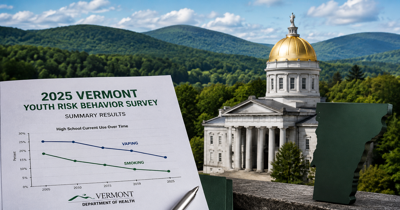
Vaping among Vermont high school students fell to 14 percent in 2025, continuing a steep decline from the 26 percent peak reported in 2019, according to the newly released Vermont Youth Risk Behavior Survey results.
The decline is another piece of evidence that the surge in youth vaping that drove years of political panic did not become a permanent upward trend. Vermont’s own health department says current high school vaping fell significantly between 2023 and 2025, while cigarette smoking remains near historic lows.
The 2025 survey included responses from 15,606 high school students in grades 9-12. A state high school summary reports that 14 percent had used an electronic vapor product in the past 30 days. Among those who vaped, 36 percent reported vaping every day.
Youth use of other substances was higher. Twenty-two percent of high school students reported drinking alcohol during the previous 30 days, and 18 percent reported marijuana use. Six percent smoked cigarettes, according to an Aug. 18 Vermont Department of Health news release.
The middle school numbers moved in the same direction. Five percent of Vermont middle school students reported vaping during the previous 30 days, and the state says current vaping, alcohol use, and marijuana use all declined significantly from 2023. The middle school survey summary covered 12,911 students in grades 6-8.
Vermont also changed its 2025 tobacco questions to explicitly include nicotine pouches. The state’s high school questionnaire asked students about past-30-day use of smokeless products or nicotine pouches such as ZYN, ON!, and VELO, separately from vaping.
Vermont lawmakers will enter the next legislative session with youth vaping far below its 2019 high. That trend deserves to be part of any debate over restrictions that would also affect adults who use vaping products instead of cigarettes. The new state numbers follow an updated Cochrane smoking-cessation review published this week, finding high-certainty evidence that nicotine e-cigarettes increase quit rates compared with nicotine replacement therapy.

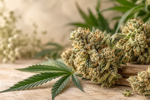
CBG (cannabigerol) is the mother of all cannabinoids, including CBD and THC. Learn more about CBG flower, its effects, strains, and whether it can get you high.

Learn how old you have to be to buy caffeine pouches, including federal and state age restrictions, retailer policies, and rules for minors.
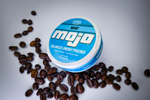
Learn whether caffeine pouches are safe, including potential side effects, caffeine limits, oral health risks, and who should avoid them.

Because of declining cigarette sales, state governments in the U.S. and countries around the world are looking to vapor products as a new source of tax revenue.