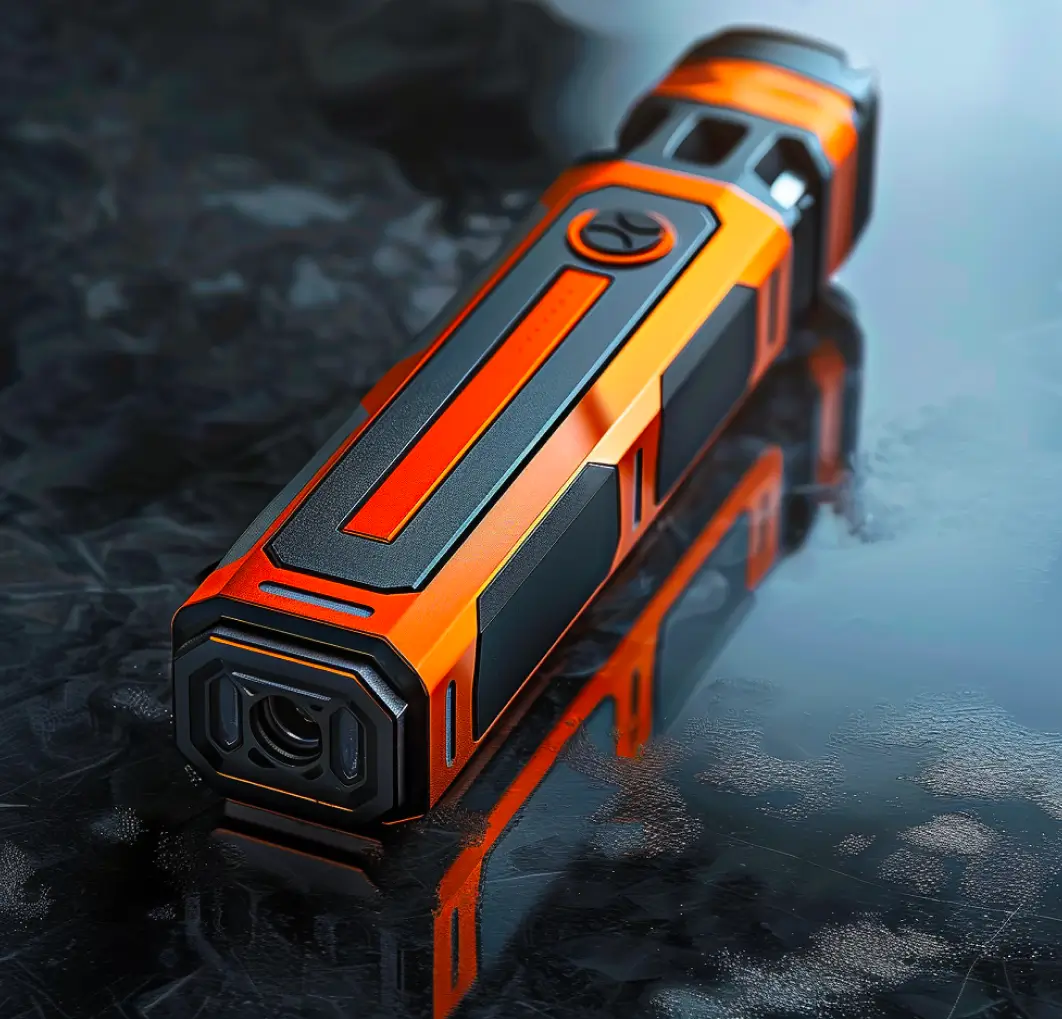
Secret Nature THCA disposable
Each Secret Nature THCA vape is filled with 53% THCA/22% CBDA weed oil, making them some of the hemp market’s most potent. Discreet and slim, these pens are designed to minimize clogging and produce clean, terpene-rich hits from your first session to your last. Choose from nine complex strain profiles.


Without tetrahydrocannabinolic acid (THCA), we wouldn’t have THC. This acidic cannabinoid is the direct precursor of delta-9 THC, marijuana’s primary intoxicating ingredient. Applying heat converts non-intoxicating THCA into intoxicating THC.
Authentic THCA products are difficult to create due to the cannabinoid’s instability. It takes finesse and often involves blending other cannabinoids into the mix.
THCA products come in several forms: high-THCA flower is especially common, though vapers seeking convenience may prefer THCA carts and disposable vapes.
Below, you’ll find our favorite THCA vapes, including disposables and cartridges for use with a compatible 510 battery. Keep reading to compare our picks and learn what to look for when choosing a THCA vape.

What are THCA vapes?
THCA vapes typically contain a blend of THCA and other cannabinoids. Common options include cartridges that connect to 510-thread batteries and all-in-one disposable vape pens. THCA flower and concentrates can also be vaporized using compatible desktop or portable vaporizers.
What are THCA disposable vape pens?
THCA disposables are built for convenience. Each vape arrives prefilled with a set amount of THCA weed oil (usually between one and five grams), plus a battery and atomizer built right into your device. Most are pre-charged and ready to vape as soon as you unbox them.
To keep these pens low-effort, they usually offer little customization. Whether this is a perk or a drawback depends on the user. You can’t swap out the device’s battery for another, like you can with a weed cart. You get what you get. If the vape breaks or gets clogged, any remaining oil is wasted.
We also don’t recommend breaking apart your disposable—they aren’t designed to be disassembled by users. It’s best to take the loss and start fresh.
Voltage adjustments are extremely rare on THCA disposable vapes, although some offer limited control over power output. Even basic 510-thread batteries can offer some leeway, letting vapers make incremental tweaks. If you strongly prefer vaping at high or low voltages, or just want variety, disposables aren’t ideal.
The bright side? As long as you’re shopping with reputable vape sellers, it’s not hard to find high-quality, durable THCA disposables.

What are THCA vape carts?
A THCA vape cart (cartridge) is a small, cylindrical tank filled with THCA-rich oil, though the true concentration varies drastically. The oil sits in a glass chamber, and a built-in atomizer converts it into vapor. The atomizer is located at the bottom of the chamber, opposite the mouthpiece.
Keep in mind that vape oil and tinctures are not repackaged versions of the same product. You can’t load a refillable cart with a THCA tincture. Vaping tinctures isn’t safe, and tinctures are usually too thin to work in a cart anyway.
You’ll find THCA vape carts in several sizes. One- and two-gram carts are the most common, although some manufacturers offer larger and smaller options.


Do THCA vapes get you high?
Yes, THCA vapes can get you high. When heated, THCA converts into intoxicating delta 9 THC. The intensity and characteristics of the high depend on the product’s potency, cannabinoid blend, and how much you consume.
THCA vs delta 9 THC
THCA is the acidic precursor to delta 9 THC. These cannabinoids are almost identical on a molecular level; the key difference is an extra carboxyl group in THCA. Once this feature is removed via decarboxylation, THCA becomes THC.
Heat speeds up the process, although conversion can also occur over time during storage. THCA itself is non-intoxicating; delta 9 THC is responsible for the high.
Unheated marijuana flower typically contains predominantly THCA rather than delta 9 THC. Consuming raw marijuana flower without applying heat first doesn’t get you high the way heated flower does—the same applies to high-THCA flower and unprocessed THCA.
How does a THCA high compare to THC?
Vaping THCA turns it into delta 9 THC, so both produce the same type of high. You can experience the same euphoria, altered perception, and impairment associated with marijuana. A THCA label doesn’t mean a weaker high.
However, not all THCA vapes contain the same cannabinoid blend. A “THCA high” may feel different from one produced by a marijuana vape because the oils contain different amounts and combinations of cannabinoids. If your THCA cart or disposable is predominantly delta 8, it may produce a less intense high than an equivalent dose of delta 9 THC. How much you consume and your tolerance also shape the experience.
Check the batch-specific test results to see which cannabinoids the oil contains, rather than relying on the product name.
Do THCA vapes contain any THC?
Yes, THCA carts and disposables may contain delta 9 THC alongside THCA, its non-intoxicating precursor. They may also contain other forms of THC, including delta 8.
The amounts vary by product. Don’t assume that a “THCA” label means the oil contains only THCA—or that it’s free of delta 9 THC. Check the batch-specific certificate of analysis (COA) for the cannabinoid breakdown.
THCA carts vs high-THCA flower

Although THCA flower comes with its own caveats, it’s often easier to find than THCA carts or disposables.
Unlike THCA carts, high-THCA flower doesn’t require substantial heat during growth or production, so it tends to keep its THCA intact until sale. Flower is cultivated in tightly regulated conditions to keep its THCA content high, despite being low in delta 9 THC. A cooler environment is essential. Overall, this is more tedious than growing standard hemp.
THCA carts are even more complex. In order to produce vape oil, cannabis flower needs to encounter heat. It’s extremely tricky to create THCA carts without decarboxylation occurring during production. Nearly all carts contain a blend of extracts, as these are needed to dilute THCA and keep a cart’s delta 9 THC content below the legal limit.
Heating THCA converts it into delta 9 THC, so research on unheated THCA shouldn’t be assumed to apply to vaping. Preliminary laboratory studies have explored THCA’s potential anti-inflammatory effects and neuroprotective activity, but these findings don’t establish that consuming raw flower treats medical conditions.
How to use THCA vapes
The way you use a THCA vape depends on the product type. Disposables are all-in-one devices with a built-in battery; carts require a compatible battery, which you must buy separately. Here’s how to get started with each.
How to use a THCA disposable vape
Beginners and experts alike can enjoy THCA disposables. These devices are designed for convenience and require little prep to get started.
To use your THCA disposable vape, follow these steps:
- Unbox the vape: Depending on the manufacturer’s preference, the packaging may or may not be child-resistant.
- Remove the plastic mouthpiece cap: You’ll find a small cap on the device’s mouthpiece. Remove this before taking a hit. If the pen is rechargeable, you may also need to uncover the charging port before you can charge the device.
- Give it a charge (optional): Most THCA disposables arrive pre-charged, whether or not they can be recharged later. Others arrive with a low charge or an uncharged battery. Unless your disposable supports pass-through charging, wait until it’s unplugged before vaping.
- Preheat your vape (if available): It’s not standard, but some disposable vapes have a preheat feature. You may need to press or hold a button to activate it.
- Take your first hit: That’s really all it takes. Draw firmly but gently for two or three seconds, staying away from long hits that can pull too much oil and burn or clog the device. Mouth-to-lung draws are generally easier with these devices than direct-to-lung draws. Most devices are draw-activated, though some require you to hold down a button as you inhale.
Once your session is done, store your THCA disposable properly. Keep it away from heat, moisture, or direct sunlight. These conditions can degrade the oil and promote clogging or mold growth.
THCA disposables aren’t designed to be refilled. Once you’ve vaped through all the oil, it’s time to dispose of the device and move on to the next. If you prefer to reuse your equipment, consider picking up a refillable vape cart and 510-thread battery. You’ll only need to supply your own oil.
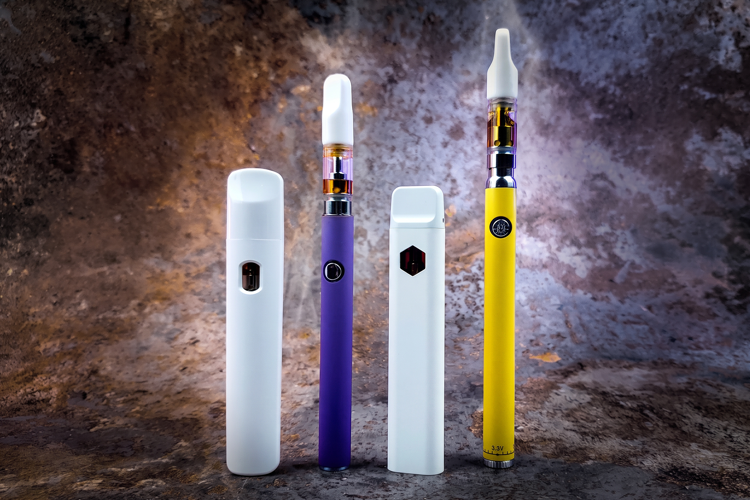
How to use THCA vape carts
Broadly speaking, 510 thread carts are simple to use. All you need is the oil-filled cart and a compatible battery or power source. Before vaping a cart, ensure that the oil is high-quality and hasn’t gone bad.
THCA vape carts are useless without a power source. Vapers must connect their cart to a battery because without power, the coil won’t heat. Most carts are 510-threaded and designed to work with a compatible 510-thread battery. As long as you have a stick or standard vape battery on hand, you’re good to go.
To hook your THCA cart up to a battery, screw it into the threading. Just make sure your battery is charged and ready to use. 510 batteries are usually button-activated, draw-activated, or both.
Buying THCA vapes
Shopping responsibly for THCA vapes means looking beyond the label. Here’s what to check regarding quality and transparency, how to compare your options, and what to know about where they’re sold.
What to look for when buying a THCA vape
All the standard precautions should be taken when you shop for THCA disposables and carts:
- Make sure there’s a certificate of analysis (COA) matching the product and batch
- Check reviews of the product and brand
- Confirm that the product is authentic, and not a potentially hazardous knock-off vape
Not all COAs are exhaustive. Check whether the report covers both potency and cannabinoid content, as well as contaminants such as pesticides, heavy metals, and residual solvents. Some reports also cover the oil’s terpene profile. You should be able to access these documents through the seller’s website, either in the header, sidebar, or product description. Having the specific batch number on hand can speed up the process.
Misleading claims are rampant in the hemp sphere. It’s easy for manufacturers to claim that their vapes contain cannabinoids that aren’t actually there; disputing these claims is often as simple as checking the COA. What’s on the box may not match the test results.
THCA products are frequent offenders here. This cannabinoid is a challenge to work with, and creating legitimate high-THCA vape oils isn’t always feasible. Unfortunately, many brands want to capitalize on the THCA trend without selling authentic products. Many so-called THCA disposables contain no detectable THCA.
For firsthand descriptions of a THCA vape’s quality and effects, check out customer reviews. Prioritize feedback that isn’t on the manufacturer’s own site. Reviews can be filtered or removed, and not every vape brand allows negative feedback to remain on its site. Outright fake reviews are another risk.
How to choose the right THCA vape for you
After checking the THCA product’s third-party testing, consider:
- Device format: Disposables offer the most convenience, but they’re less eco-friendly. If you already own a 510-thread battery, THCA carts may be the best option. They’re simple, practical, and often more affordable.
- Size: THCA vapes come in several sizes. One-gram carts and disposables are perfect if you’re a light vaper or are experimenting with different brands and strains. For heavy vapers, two or more grams may be more appropriate.
- Blends: It’s typical for brands to mix popular cannabinoids, but this is usually a necessity for THCA. Some THCA blends are more intoxicating than others.
- Potency: This goes hand-in-hand with the previous point. THCA potency varies a lot between carts. We found several THCA carts containing around 40% of the cannabinoid, while others have far less.
- Terpene profile: The effects and flavor of your disposable or cart depend on terpenes. Terpenes are a standard ingredient in any THCA vape and may be derived from various indica, sativa, or hybrid strains.
Where to buy THCA vape pens and carts
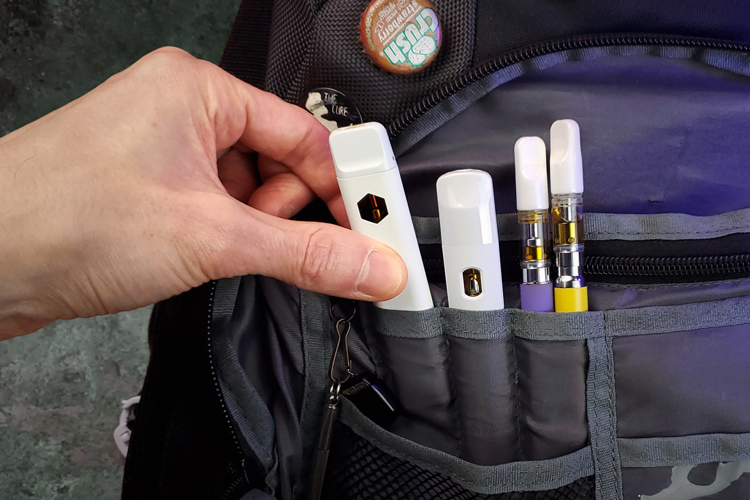
THCA disposables and carts aren’t a staple in every hemp seller’s catalog. You may find them through online hemp retailers, vape shops, and cannabis dispensaries, depending on your location.
If you’re shopping online, check your state’s current restrictions. A seller’s willingness to ship to your address doesn’t establish that the product is legal where you live.
Can you recharge THCA disposable vapes?
It depends on the product and brand; different manufacturers have different design preferences.
Many THCA vape pens are rechargeable. This is a relatively new development in the cannabis industry, and historically, disposables were one and done. You vaped until your pen’s battery died, then tossed it and moved on to the next—whether the oil was fully depleted or not.
Most hemp-derived disposable vapes you’ll find online can be recharged, so there’s less risk that you’ll run out of power before you run out of oil. Rechargeable THCA pens typically use USB-C or micro-USB cables.
How long should a THCA vape pen last?
It’s hard to estimate the lifespan of a THCA vape since it depends on a wide range of factors. These include:
- Frequency of use: It goes without saying, but the more often you vape, the faster you’ll burn through all of your vape pen’s oil (and battery if it’s not rechargeable).
- THCA oil quantity: Most THCA disposables and carts contain anywhere from one to five grams of oil. Assuming you don’t run into clogs or expired oil, larger THCA vapes will last you longer.
- Quality and manufacturing: Low-quality vapes might break or clog before you’ve finished them off. Plus, if you’re having trouble reaching the high you’re after, you’ll need to vape more oil per session.
- The size of your draws: How often you vape goes hand-in-hand with the quantity of oil you consume per draw. Inhale for no more than three or four seconds to avoid pulling more oil than your atomizer can handle. And don’t draw on it as hard as you can.
- Storage and maintenance: Store your THCA disposables and carts in a cool, dry place, away from direct sunlight. Moisture, heat, and ultraviolet rays can damage your oil and hardware. Poor storage leads to shorter-lived pens.
Your THCA vape could last you anywhere from a few days to a couple of months. If it lasts longer than that, it may be worth sticking to smaller vapes.
Is THCA safe to vape?
THCA vapes aren’t risk-free. More research is needed to fully understand their effects.
When you vape THCA, heat converts it into intoxicating delta 9 THC. THC can cause adverse effects, including anxiety and paranoia, particularly at high doses. THC may even worsen existing anxiety. Hallucinations are also possible.
Remember, delta 9 is the same form of THC found in marijuana. If you have a history of bad highs and already avoid THC, THCA isn’t a hemp cannabinoid you want to use.
The oil’s ingredients, including additives and potential contaminants, are most important. Don’t buy from hemp sellers that fail to publish certificates of analysis (COAs). Look for independent testing that covers both cannabinoid content and contaminants, such as pesticides, heavy metals, and residual solvents. A potency-only report doesn’t establish that the oil has been screened for those contaminants.
A COA shows the results for the sample and substances tested; it doesn’t guarantee that a product is safe to inhale.
If you’re sensitive to other cannabinoids, double-check the vape’s ingredients and cannabinoid results. THCA carts and disposables may contain blends, including delta 8 THC, rather than THCA alone.
Can THCA make you fail a drug test?
Yes, THCA vapes can cause a failed drug test.
Remember, when heat is applied to THCA, it converts into delta 9 THC. THC then converts into metabolites, including THC-COOH, as your body processes it. Urine cannabis tests look for this breakdown product; hair tests can detect it too. The result doesn’t establish whether the THC came from marijuana or a hemp-derived product.
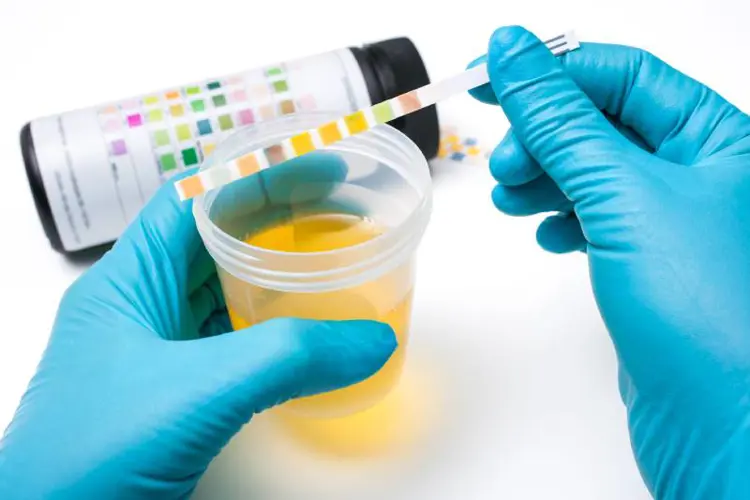
Carts and disposables with low THCA concentrations aren’t exceptions. These products may still expose you to enough THC to produce a positive result. Other cannabinoids in the blend, including delta 8 THC, can also complicate drug testing.
If you’re facing a drug test or pre-employment screening, avoid THCA and other THC-containing products. Metabolites can remain detectable long after the effects wear off, particularly with frequent use. Detection depends on the amount and frequency of use, individual factors, and the test’s method and cutoff. Stopping a few days beforehand doesn’t guarantee a negative result.
Are THCA vapes legal?
THCA carts and disposables occupy a complicated legal position. Their legality depends on the product’s composition and the applicable federal and state rules—not simply whether they’re labeled “hemp.”
The 2018 Farm Bill defined hemp using a limit of no more than 0.3% delta 9 THC by dry weight. However, that threshold isn’t a blanket authorization for high-THCA products. Federal hemp-production testing already accounts for THCA’s potential conversion into THC.
We strongly recommend verifying your state’s current rules on THCA, hemp products, and total THC content. Total THC calculations include both the delta 9 THC already present and the amount that could form when THCA undergoes decarboxylation. A product’s online availability doesn’t mean it’s legal where you live.
Check the product’s batch-specific certificate of analysis (COA). Third-party test results should specify the amounts of delta 9 THC and THCA, but a COA alone doesn’t establish legal compliance.
Federal rules are also changing. Congress enacted a narrower hemp definition in 2025 that includes THCA in the THC calculation and imposes additional restrictions on finished cannabinoid products. The central restrictions are currently scheduled to take effect on December 11, 2026.
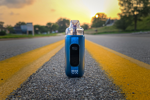
The OXVA VPRIME 2 delivers sub ohm performance in a pod-style device. Read our review to learn about its upgrades, size, battery life, flavor, and more.
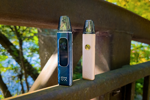
Check out our OXVA XLIM 4 and XLIM PRO 4 review to learn about the new UNITECH 3.0 pods and the incredibly innovative anti-burn tech (ABT).
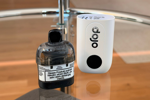
The DOJO BLAST X combines a 10 mL refill system, a dual-mesh coil, and a 1000 mAh battery. Is it needlessly confusing? Read our review to find out.
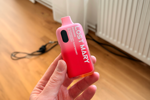
The Lost Mary BM6000 is a pre-filled pod vape that pairs a 2 mL pod with a 10 mL refill container and a QUAQ mesh coil. Read our review to learn more.
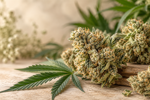
CBG (cannabigerol) is the mother of all cannabinoids, including CBD and THC. Learn more about CBG flower, its effects, strains, and whether it can get you high.
Learn how old you have to be to buy caffeine pouches, including federal and state age restrictions, retailer policies, and rules for minors.
Learn whether caffeine pouches are safe, including potential side effects, caffeine limits, oral health risks, and who should avoid them.

Because of declining cigarette sales, state governments in the U.S. and countries around the world are looking to vapor products as a new source of tax revenue.
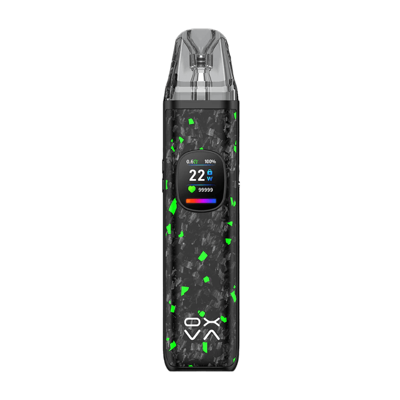

Find Your Perfect Product
Navigate our vape database precisely by customizing your filters. Find products tailored to your needs with options like price, category, and more.
Sort by:






Rely on Our Expertise
At Vaping360, we take pride in our deep expertise and years of experience in the vaping industry. Our dedicated team of professionals is committed to leveraging their extensive knowledge to meet your needs and exceed your expectations.
